The History of this Family Estate
A story of inheritance
The history of this family estate dates back to17th centuryIt all begins whenAntoinette de Guillemotes, owner ofDomaine Rochet, marryÉtienne LafonThe estate was then renamed Château Lafon-Rochet. The wines produced quickly became highly sought after, and it was in1855that the wine ofLafon-Rochetbecomes the 4th Grand Cru Classé of the Médoc.
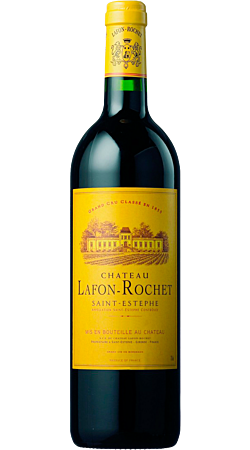
In 1960,Guy TesseronHe bought back the estate and quickly undertook work to rebuild the Château, whose buildings had been dilapidated by the war. He also replanted the vineyard, which at that time only covered 15 hectares.1960 to 1975, after dedicating himself to the renovation and modernization of the estate, theChâteau Lafon-Rochetproduces exceptional vintages. Starting from the year2000The labels are characterized by the canary yellow color of the Château.
In 2021, and for inheritance reasons, the property was finally sold toJacky Lorenzetti,himself already co-owner ofLilian Ladouys and Pédesclaux castles.
The vineyard and the terroir
In the Médoc region
THEMedocmeans "land between two seasIn other words, it refers to land between theAtlantic Oceanto the west, and the estuary of theGironde to the east. THEMedocconstitutes aunique terroirand very demanding. The vineyard of41 hectares of Château Lafon-Rochet is located on theSaint-Estèphe Appellation of Origin, right across from theChâteau Lafite-Rothschild and Cos d'EstournelThe soils are composed mainly ofGraves and have a clay-limestone subsoil.
The grape varieties planted are mainly composed ofcabernet-sauvignon (55%), merlot (40%), cabernet franc (3%) as well as petit verdot (2%)The vines have on average35 years oldand some grapevines, some of which date back to1938allow the production of grapes that offer greater complexity to the wine. The density of the vines is9,000 plants per hectare.
Winemaking and wine aging
From the vine to the winery
AtChâteau Lafon-RochetThe harvest is exclusively manual. The grapes undergo malolactic fermentation over a period of between18 and 21 days. L'livestocklasts on average 15 to 20 months inoak barrels, of which35 to 45% new oak.
Since 2018, theChâteau Lafon-Rochetbanned insecticides and stopped cultivating its vineyard inorganic farming.
The wines produced atChâteau Lafon-RochetThey are renowned for their boldness, power, and complexity. Two wines are produced at the estate: Château Lafon-Rochet and Les Pèlerins de Lafon-Rochet.