Angelo Gaja
A TALENTED REVOLUTIONARY
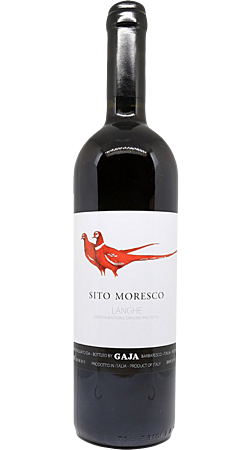
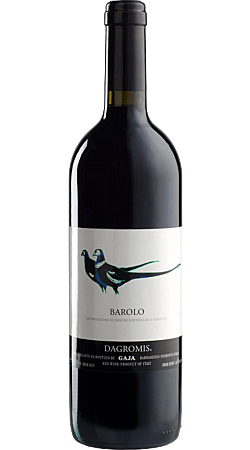
Since the mid-17th century, theGaja familyresides atPiedmontThe first Barbaresco was produced in 1859 by Giovanni Gaja. Since then, five generations have succeeded one another in the production of this Italian wine.Angelo Gajarepresents the fourth generation and has renewed the Barbaresco style. The Piedmontese producer is the mostrecognized worldwideand his wine is sold in more than 80 different countries. His wines can be found on the tables of top Michelin-starred restaurants. At 70, he heads three estates: the historic family estate, expanded to 100 hectares in Piedmont where he produces Barbaresco and Barolo, and two estates in Tuscany.
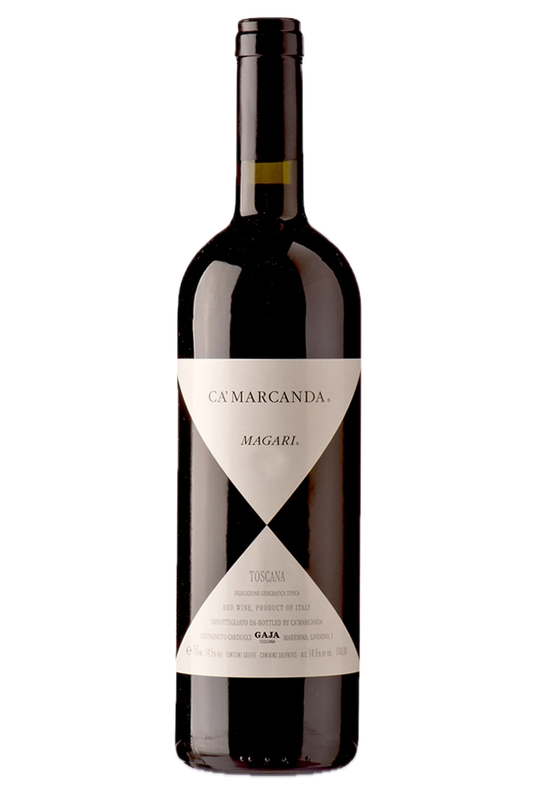
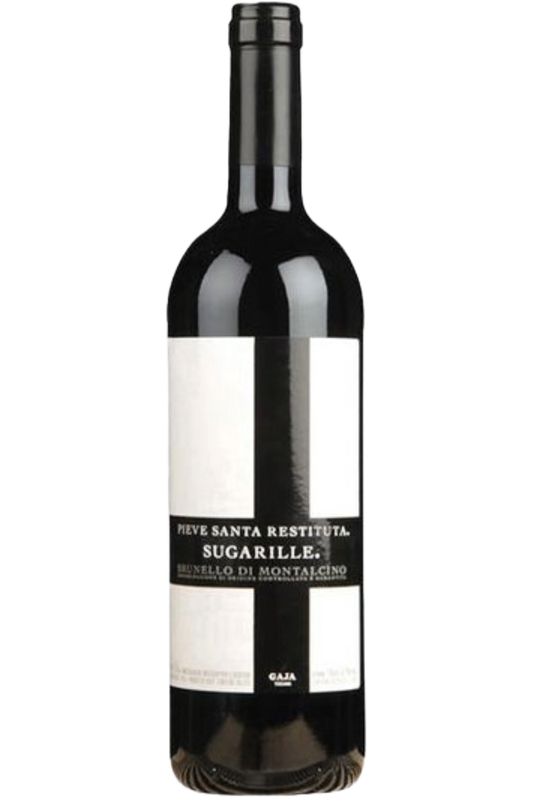
Indeed, when Angelo Gaja took over the estate from his father in 1960 after his studies in oenology and economics, the wine reputation of theItalydoes not correspond to the quest for great wines that the Piedmontese dream of. He will first perfect andrevolutionizeThe Gaja family's Barbaresco vineyards preceded his investment in Barolo vineyards. His conquering spirit was still unquenched. He turned his attention to Tuscany's king of grapes: Sangiovese. In 1994, he acquired 25 hectares in Montalcino, where two 100% Sangiovese wines are produced: Rennina and Sugarille. Two years later, Angelo Gaja purchased a property in the coastal region of Bolgheri, which he named Ca' Marcanda, "the house of negotiation." 110 hectares of vines were planted, and state-of-the-art facilities were built. The reputation of Angelo Gaja's wines allowed him to...transcending conventionsby planting Chardonnay, Cabernet Sauvignon or Sauvignon in the Nebbiolo region.
Angelo Gaja's estates
FROM PIEDMONT TO TUSCANY: DIFFERENT TERROIRS FOR DIFFERENT WINES
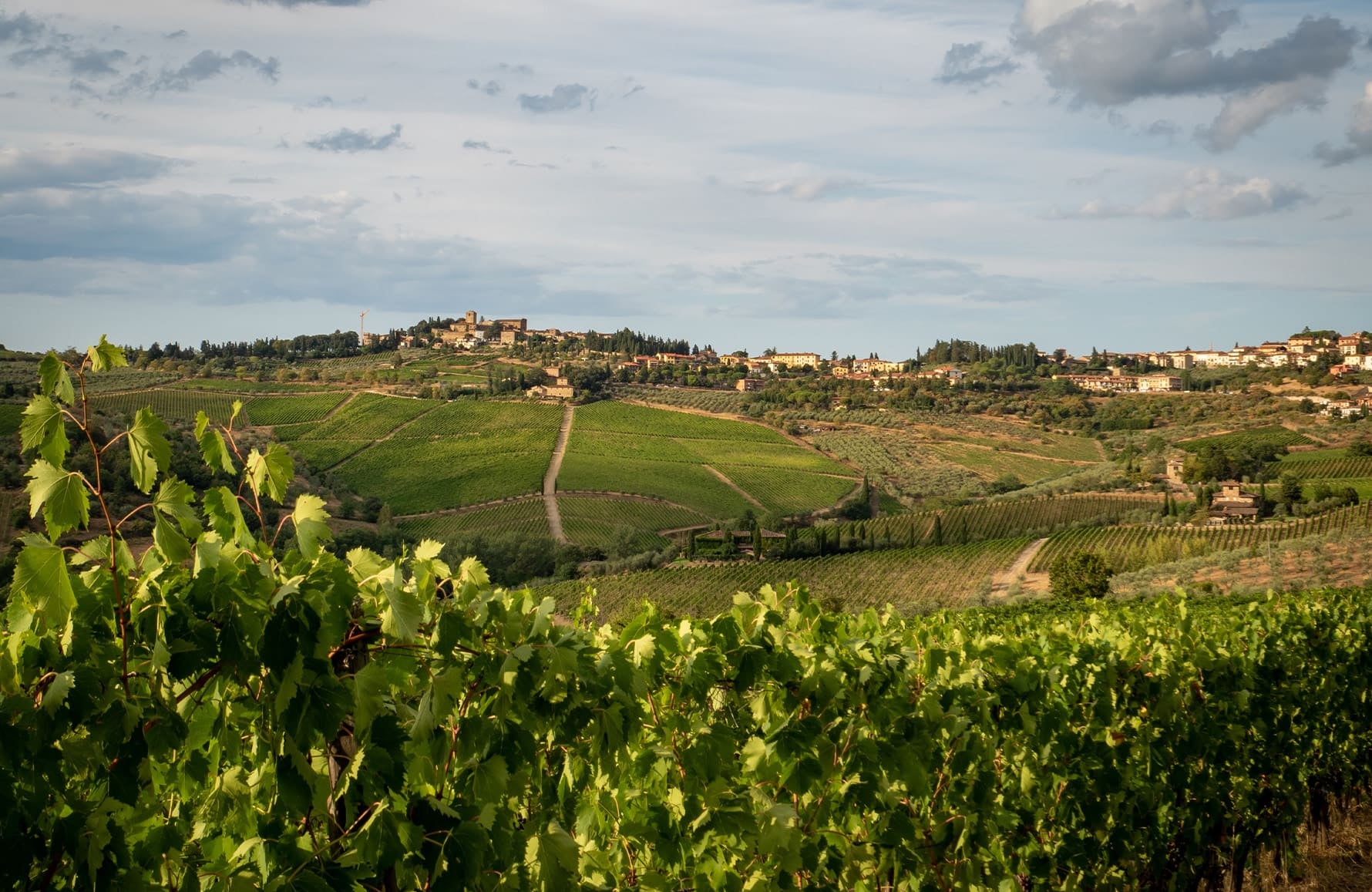
Angelo GajaPossessing different areas, each terroir is different and brings varied characteristics to the wines.Piedmontese domainwhere Barbaresco and Barolo wines are produced, the vineyards are planted on a uniform soil of calcareous marl with varying proportions of sandstone. The grape variety cultivated is Nebbiolo. In Tuscany, on the estate located within the appellationMontalcinoAngelo cultivates Sangiovese, the emblematic grape variety of the region, recognizable by its aromas of violet, black fruit, and leather. The vines are located between 200 and 500 meters above sea level on a heterogeneous soil of limestone, volcanic clay, and decomposed marl called galestro. Finally, in the region ofBolgheriIn Tuscany, Angelo Gaja's third estate features numerous Bordeaux grape varieties such as Merlot and Cabernet Sauvignon. The vineyard's terroir is heterogeneous, composed of alluvial deposits covered with clay, sand, silt, and volcanic material. It is divided into two types: white soil and brown soil. Being close to the sea, the estate benefits from sea breezes and cool temperatures in August and September. This allows for slow ripening of the grapes and thus the development of sugars. Furthermore, Angelo Gaja's vines benefit from ideal light intensity thanks to the proximity of the sea, which acts like a mirror. In each of his estates, the winemaker practices conventional viticulture whiledrawing inspiration from techniques encountered during his travels around the world.
Angelo Gaja's expertise
THE MAN WHO RESTORED THE IMAGE OF ITALIAN WINES WORLDWIDE
The wines ofAngelo Gajaare renowned and sold in small quantities all over the world. While the man is perceived as a modernist for having introduced barrel aging and single-vineyard selection in Piedmont, he retains a greatrespect for local traditionsand all its vintages complete their aging and maturation in the famous“botis di rovere”Indeed, once the harvest is complete, the juice is placed in stainless steel tanks to macerate on the skins for three weeks at a controlled temperature. Angelo Gaja follows the Burgundian model and produces...single-vineyard winesThe wines are aged in French oak barrels for one year. Then, they continue aging in French oak casks for another year. Angelo Gaja's expertise doesn't stop at production; he also knows how to market his wines worldwide. The labels on his bottles are clean and modern. The Barbaresco wines are complex with an elegant finish. They offer supple, balanced tannins and aromas of wild berries and leather. As for Barolo, Spers, Conteisa, and Dragomis are the star wines and possess just as much splendor as those of the Barbaresco appellation, with a subtle floral note added. In Tuscany, in Montalcino, the Sangiovese grape variety gives rise to two highly successful wines: Rennina and Sugarille. While the former is all about roundness, the latter is firm and characterful. Finally, three wines are produced in Bolgheri by the sea, including Camarcanda, the estate's finest wine, boasting a beautiful structure and spicy aromas. Angelo Gaja is accompanied in his venture by the oenologistGuido Rivella.